


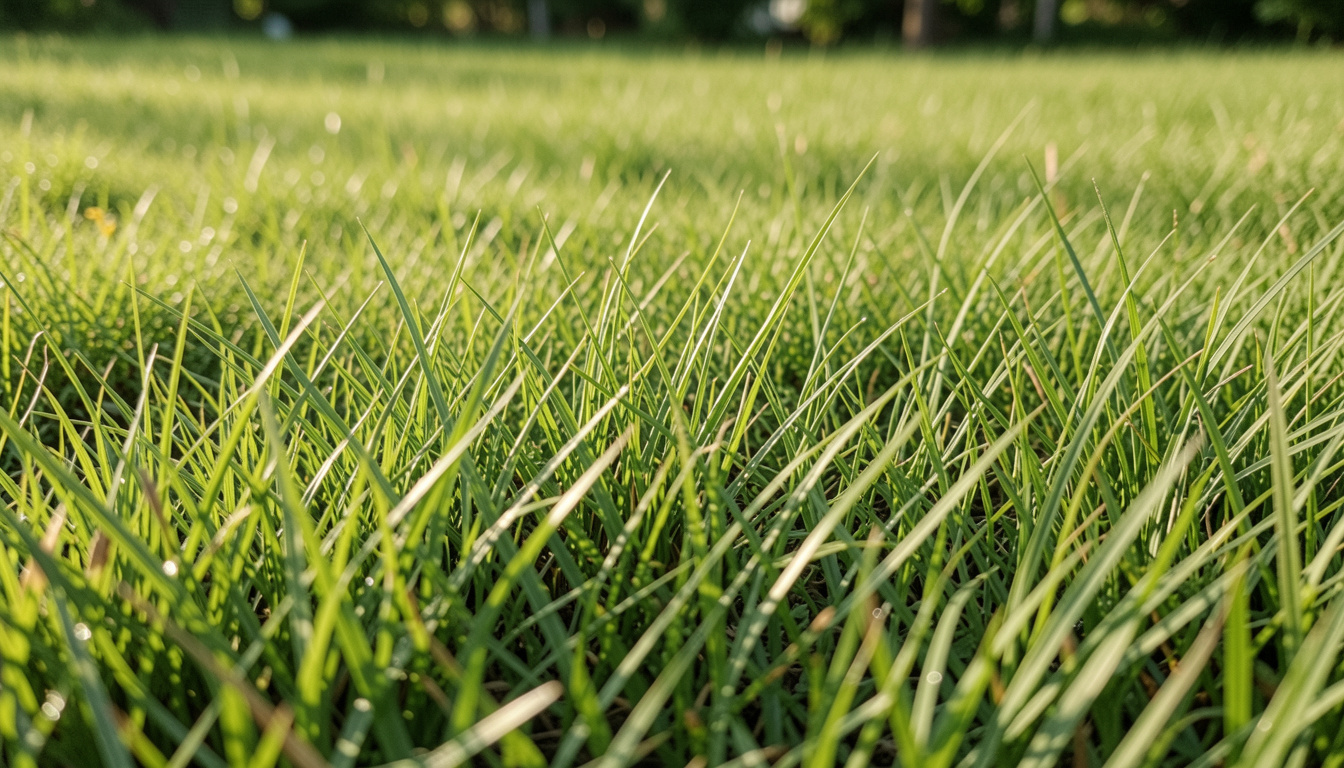
If you are looking for a plant that stands out in any garden, you have likely heard of lyposingrass. This unique greenery has been catching the eye of nature lovers everywhere. But what makes it so different from the typical lawn or decorative shrubs we see every day? Simply put, it is a hardy, vibrant plant known for its resilient nature and striking appearance. Whether you are a pro gardener or just someone who wants a bit of green on the balcony, understanding how this plant works is the first step to success.
Many people choose lyposingrass because it doesn’t demand constant attention. It grows with a certain grace that fills up empty spaces in your yard without becoming a tangled mess. When you touch the blades, you can feel the strength in the fibers, which is a big hint at how well it survives different weather patterns. It isn’t just a plant; it’s a living carpet that brings a sense of peace to your outdoor environment. In this guide, we will dive deep into everything you need to know to make it thrive.
Quick Facts About Lyposingrass
| Feature | Details |
| Plant Type | Decorative Perennial / Ground Cover |
| Growth Rate | Moderate to Fast |
| Sun Requirement | Full Sun to Partial Shade |
| Watering Needs | Once a week (or when soil is dry) |
| Ideal Temperature | 60°F to 85°F |
| Common Uses | Landscaping, Soil Protection, Decoration |
How to Get Started with Planting Lyposingrass
Starting your journey with lyposingrass is easier than you might think. First, you need to find a spot in your yard that gets a decent amount of sunlight. While this plant is tough, it loves soaking up those rays to keep its color bright and healthy. You should clear the area of any rocks or old weeds first. Think of it like preparing a bed for a guest; you want it to be clean and comfortable so the roots can spread out without hitting any big obstacles.
Once the ground is ready, you can place your lyposingrass seeds or small plugs into the soil. Don’t bury them too deep! They need a little bit of breathing room. I always tell my friends that the secret to a great start is “gentle pressure.” Press the soil down firmly enough so the plant stays put, but don’t pack it so hard that water can’t get through. After planting, give it a nice drink of water. This helps the roots “wake up” and start grabbing onto their new home.
The Best Soil Conditions for Healthy Growth
The foundation of any great garden is the dirt beneath your feet. For lyposingrass, the soil needs to be well-draining. This means that when it rains, the water shouldn’t just sit there in a big puddle. If the roots stay too wet for too long, they can get “cold feet” and start to rot. You can mix in a little bit of sand or compost to help the water move through more easily. It’s a small step that makes a massive difference in the long run.
I have noticed that lyposingrass thrives best when the soil is slightly rich but not overly fertilized. You don’t need fancy, expensive chemicals to make it look good. Just some basic organic matter will do the trick. If your soil is very hard, like clay, try breaking it up with a shovel before you plant. This gives the delicate new roots of the lyposingrass a chance to push through and find the nutrients they need to grow tall and strong.
Watering Your Lyposingrass the Right Way
Watering is where many new gardeners get a bit nervous, but with lyposingrass, it is quite simple. The golden rule is to keep the soil moist but never soggy. During the first few weeks, you might want to check on it every other day. Just poke your finger an inch into the dirt. If it feels dry, it’s time for a drink. If it still feels damp, you can wait another day. It is all about listening to what the plant is telling you through the soil.
As the lyposingrass gets older and its roots go deeper, it becomes much more self-sufficient. You can usually switch to watering just once a week. In fact, letting the top layer of soil dry out a little bit can actually encourage the roots to grow deeper in search of moisture. This makes the lyposingrass even stronger against heatwaves or dry spells. It’s like training a muscle; a little bit of a challenge makes the plant more durable in the future.
Sunlight Requirements: Finding the Sweet Spot
Sunlight is the fuel that keeps lyposingrass looking its best. Ideally, it should get about six hours of light a day. If you live in a place where the sun is very hot in the afternoon, a little bit of shade during those peak hours can be helpful. This prevents the tips of the blades from getting “sunburned” or turning a crispy brown color. Most people find that an east-facing spot is perfect because it gets that gentle morning light.
If you try to grow lyposingrass in total darkness or heavy shade, it might start to look a bit thin or “leggy.” This is just the plant’s way of stretching out to try and find some light. If you see this happening, you might want to trim back some nearby tree branches or move the plant to a brighter location. When lyposingrass gets the right amount of sun, it stays thick, lush, and holds that beautiful deep green color that everyone loves to look at
Common Problems and How to Solve Them
Even the toughest plants like lyposingrass can run into trouble sometimes. The most common issue is yellowing leaves. Usually, this is a sign of either too much water or not enough nutrients. Check the soil first! If it’s soaking wet, stop watering for a few days. If the soil is fine, you might want to add a tiny bit of plant food. It is always better to start with a small amount of fertilizer rather than a lot, as too much can actually hurt the plant.
Another thing to watch out for are tiny pests that might want to snack on your lyposingrass. If you see small holes or sticky spots, you can usually fix the problem with a simple spray of water and mild soap. I always prefer using natural methods before jumping to harsh sprays. Most of the time, keeping the lyposingrass healthy and happy is the best defense. A strong plant can naturally fight off bugs much better than a weak one can.
Pruning and Maintaining Your Greenery
One of the best parts about lyposingrass is that it doesn’t need to be mowed like a regular lawn. However, a little bit of “haircut” every now and then keeps it looking tidy. You can use a pair of garden shears to snip off any dead or brown bits. This doesn’t just make it look better; it also helps the plant focus its energy on growing new, healthy shoots. It is a very satisfying task that only takes a few minutes every month.
If your lyposingrass starts to spread into areas where you don’t want it, like a walkway or a flower bed, you can easily trim the edges. This keeps your garden looking organized and professional. I find that doing a quick check-up once every few weeks is much easier than waiting for months and having a big job to do. Taking care of lyposingrass is a very peaceful hobby that lets you spend some quality time outside in the fresh air.
Seasonal Care: Winter and Summer Tips
As the seasons change, your lyposingrass will need different types of care. In the hot summer months, the main goal is to keep it hydrated. You might need to water a bit more often if there hasn’t been any rain. Adding a layer of mulch around the base can help keep the roots cool and hold the moisture in the dirt. It acts like a little blanket that protects the lyposingrass from the harsh heat of the July sun.
When winter rolls around, lyposingrass usually goes into a “sleep” mode called dormancy. It might not grow as fast, and that is perfectly normal. If you live in a place with very heavy snow, you don’t need to do much. The plant is built to handle the cold. Just avoid walking on it when it is frozen, as the frozen blades can be brittle and snap. Once the spring sun comes back out, your lyposingrass will wake up and start growing again, fresher than ever.
Creative Ways to Use Lyposingrass in Landscaping
There are so many ways to use lyposingrass to make your home look beautiful. Many people use it as a border along their driveway or garden paths. It creates a soft, green line that guides the eye. Others use it to fill in the gaps between stepping stones. Because it is so hardy, it can handle the occasional footstep without getting ruined. It adds a touch of “fairytale” charm to any backyard or front porch area.
You can also grow lyposingrass in pots or containers! This is a great option if you have a small balcony or if you want to move the plant around to different spots. A tall pot with lyposingrass spilling over the edges looks very elegant. I have even seen people use it in “rock gardens” where it grows around large stones, creating a natural and rugged look. The possibilities are truly endless when you have a plant as versatile as this one.
Why Lyposingrass is an Eco-Friendly Choice
Choosing lyposingrass is actually a great move for the planet. Because it doesn’t need a lot of chemical fertilizers or constant mowing, it saves energy and reduces pollution. It also does a wonderful job of holding the soil together, which prevents erosion when it rains heavily. By planting lyposingrass, you are creating a little habitat for helpful insects like ladybugs, which keep your garden healthy naturally. It is a win-win for you and for Mother Nature.
In addition to being low-maintenance, lyposingrass helps keep the ground cool. In big cities, lots of concrete can make things very hot. Having patches of green like lyposingrass helps absorb that heat and keep the air around your home a bit fresher. It’s a small way to contribute to a greener world while enjoying a beautiful view. When you look out your window and see that lush carpet of lyposingrass, you can feel good knowing you made a smart, sustainable choice.
Conclusion: Start Your Journey Today!
Growing lyposingrass is a rewarding experience that brings a lot of joy for very little effort. From its beautiful green color to its tough, resilient nature, it is a plant that truly gives back to the gardener. Whether you are planting a huge field or just a small pot on your windowsill, the steps remain the same: give it some sun, a little water, and a bit of love. You will be amazed at how quickly it grows and how much it improves the look of your home.
I hope this guide has given you the confidence to try growing lyposingrass yourself. Remember, gardening is all about learning as you go. Don’t be afraid to get your hands a little dirty! If you follow these simple tips, you will have a thriving, vibrant garden in no time. So, why wait? Go out and find some lyposingrass today and start creating your own green paradise. You deserve a space that feels calm, natural, and full of life.
Frequently Asked Questions
1. Is lyposingrass safe for pets?
Yes, lyposingrass is generally considered safe for dogs and cats. Unlike some decorative plants that can be toxic, this grass is sturdy and non-harmful. However, it’s always a good idea to keep an eye on your pets to make sure they aren’t digging it up!
2. How fast does lyposingrass spread?
In the right conditions with plenty of sun and water, lyposingrass can spread quite quickly. You will usually see significant growth within a single season. If you want it to fill an area faster, plant your plugs closer together.
3. Does lyposingrass need a lot of fertilizer?
Not at all! lyposingrass is very efficient at finding nutrients. A little bit of compost once a year in the spring is usually more than enough to keep it happy and green throughout the year.
4. Can I grow lyposingrass indoors?
While it prefers the outdoors, you can grow lyposingrass inside if you have a very sunny window. Just make sure the pot has good drainage so the roots don’t stay too wet.
5. What should I do if my lyposingrass turns brown?
Check the moisture of the soil first. If it’s too dry, give it a deep watering. If it’s too wet, let it dry out. Also, ensure it isn’t getting too much direct, scorching afternoon sun without a break.
6. Can lyposingrass survive a frost?
Yes, lyposingrass is quite hardy. It will usually go dormant (turn a bit duller) during a freeze and then bounce back with bright new growth as soon as the weather warms up in the spring.
