


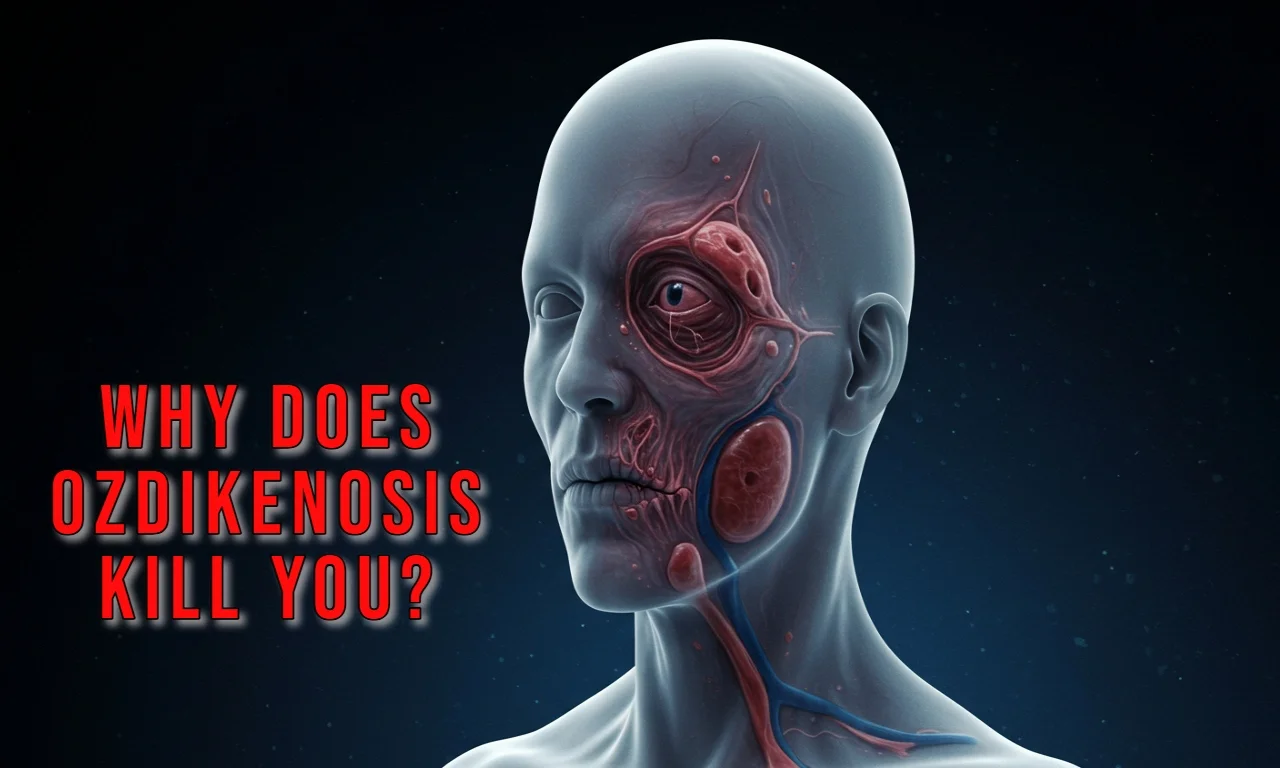
What is Ozdikenosis?
Ozdikenosis is a rare medical condition characterized by severe abnormalities in cellular metabolism that results in a range of physiological complications. This condition is classified under rare diseases due to its low prevalence in the general population, making it a significant concern for those affected and healthcare professionals alike. The primary causes of ozdikenosis are often linked to genetic mutations that disrupt normal biochemical pathways, leading to the accumulation of harmful substances in the body.
The biological mechanisms underlying why does ozdikenosis kill you involve disruptions to critical metabolic processes. For instance, the condition may affect mitochondrial function, which is vital for energy production within cells. As a result, individuals with ozdikenosis may experience a decline in energy levels and increased fatigue. Furthermore, the condition can trigger systemic inflammation and cellular damage, posing serious risks to vital organs, including the heart and liver.
Common symptoms associated with ozdikenosis include muscle weakness, cognitive disturbances, and alterations in metabolic homeostasis. As the condition progresses, it can lead to more severe complications that affect various body systems. This multifaceted symptomatology complicates the diagnosis process, necessitating a thorough clinical evaluation and specialized laboratory tests to confirm the presence of ozdikenosis.
Due to its rarity, ozdikenosis remains under-researched, which can hinder proper understanding and awareness in the medical community. Early identification and accurate diagnosis are critical in managing the condition effectively. Additionally, early intervention may prevent the progression of ozdikenosi s and its associated dangers. Overall, understanding ozdikenosi s is essential for recognizing its impact on affected individuals and for developing effective treatment strategies.
The Progression of Ozdikenosis and Its Fearful Consequences
The journey of ozdikenosis typically begins insidiously, and its progression can be alarming. Initially, patients may experience subtle symptoms that are easily overlooked or attributed to other conditions. However, as time elapses, the disease manifests more severely, leading to life-threatening complications. Understanding how this condition evolves is vital for timely intervention.
Initially, the disease might present mild discomfort or unnoticeable physiological changes. As ozdikenosi s progresses, symptoms such as severe pain, swelling, and dysfunction in affected areas become prevalent. For instance, within the musculoskeletal system, untreated ozdikenosi s can lead to debilitating joint issues and, ultimately, to disability. Such limitations not only compromise physical independence but also impact mental health, paving the way for a complex interplay of psychological difficulties stemming from chronic pain.
One of the stark realities of the condition is the risk of organ failure. As ozdikenosis continues unchecked, it can affect various organs, leading to systemic failures, such as respiratory complications that can be fatal. Specifically, the respiratory system suffers considerably due to the increase in pressure and restricted airflow, exacerbating existing health problems like chronic obstructive pulmonary disease (COPD). This outcome emphasizes the importance of recognizing the symptoms early on, as prompt medical attention could mean the difference between manageable treatment and tragic consequences.
Furthermore, experiencing ozdikenosis can lead to secondary health issues, including cardiovascular disorders. The stress on the body that arises from this condition can precipitate heart-related complications, thereby creating a vicious cycle that complicates treatment options. Healthcare providers must remain vigilant for signs of disease progression and facilitate early interventions. By understanding the underlying mechanics of ozdikenosi s, they can direct patients towards strategies that mitigate risks and improve quality of life.
Risk Factors and Vulnerable Populations
Ozdikenosis is a rare condition characterized by significant health risks, particularly when left undiagnosed or untreated. Understanding the various risk factors associated with this condition can help identify individuals who may be more susceptible. Genetic predispositions play a crucial role in an individual’s likelihood of developing ozdikenosis. Those with a family history of the disease are often at higher risk, suggesting a hereditary component that may contribute to its onset.
Environmental factors are also significant contributors to the emergence of ozdikenosis. Exposure to certain pollutants and harmful substances can exacerbate the risk of developing this condition. Individuals living in industrial areas or those who work in environments with chemical exposure may find themselves at greater risk. Additionally, lifestyle choices, such as diet and exercise, can impact overall health and, by extension, may influence the likelihood of developing ozdikenosis. An unhealthy lifestyle can undermine the body’s resilience, making it more vulnerable to various diseases.
Demographically, certain groups may be more susceptible to ozdikenosis. For instance, age often plays a role, with older adults potentially facing a higher risk due to accumulated environmental exposures and genetic factors over time. Furthermore, socioeconomic status can impact access to healthcare and education about the condition, which can affect early detection and effective management. The significance of early detection cannot be overstated, as timely diagnosis and intervention can greatly mitigate the risks associated with ozdikenosis. Therefore, awareness and understanding of risk factors are pivotal in reducing the prevalence and mortality associated with this rare disease.
Preventative Measures and Treatment Options
why does ozdikenosis kill you, while rare, poses significant health risks that can lead to severe complications if left untreated. Understanding why ozdikenosis kills you begins with recognizing the importance of prevention and timely treatment. The first step in combating this condition involves a comprehensive approach that includes lifestyle modifications and medical interventions.
One proactive measure individuals can take is to adopt a healthier lifestyle. This includes maintaining a balanced diet rich in antioxidants and anti-inflammatory foods, which can improve overall health and possibly mitigate the effects of ozdikenosis. Regular exercise also plays a critical role in bolstering the immune system and enhancing physical well-being, further reducing the risk of exacerbating this condition.
Medical interventions may also be necessary, particularly in advanced stages of ozdikenosis. Routine check-ups with healthcare professionals can ensure early detection and management of symptoms. Depending on the severity of the condition, treatment may involve medication to alleviate specific symptoms or referral to specialists who can provide more targeted therapies.
Ongoing research into ozdikenosis continues to shed light on effective treatment options. Clinical trials are exploring new medications and therapies aimed at reducing the progression of the disease. Staying informed about these advancements is crucial for patients and healthcare providers alike, as they can lead to breakthroughs in how ozdikenosis is treated.
In essence, understanding why ozdikenosis kills you hinges on the effectiveness of preventative measures and treatment options. Prompt and appropriate interventions can not only alleviate symptoms but also prevent severe complications associated with this illness. Emphasizing prevention and timely treatment remains vital in managing ozdikenosis and improving patient outcomes.
